

Blockchain technology is transforming industries worldwide, and now it’s setting its sights on commodities, especially gold and oil. Traditional commodities, long seen as cornerstones of global finance and investment, are entering the digital space through tokenization.
The process involves creating digital tokens that represent physical commodities, which can be traded on blockchain platforms. By bringing these valuable resources onto the blockchain, tokenization is democratizing access, enhancing transparency, and improving liquidity in markets that have historically been difficult to access.
What Are Tokenized Commodities?
Tokenization, in the simplest terms, is the process of converting assets into digital tokens on a blockchain. For commodities, this means that each token represents a fraction, or sometimes a whole unit, of a commodity such as gold or oil.
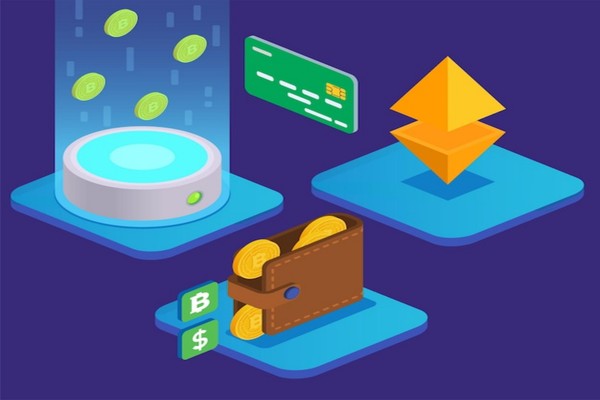
These tokens can be transferred, traded, or redeemed on a blockchain-based platform, essentially transforming physical assets into liquid, tradeable digital assets. Each token represents a fraction of the underlying commodity, allowing investors to own and trade small portions without needing to buy entire barrels of oil or bars of gold.
The use of blockchain in commodity tokenization facilitates real-time tracking, transparent trading, and reduced transaction costs. As blockchain transactions are peer-to-peer, there’s no need for intermediaries, which can make buying and selling more efficient.
Furthermore, blockchain’s immutability – meaning records can’t be changed after being written – ensures a high level of transparency that attracts both retail and institutional investors.
How Does Tokenization of Commodities Work?
Tokenization platforms create digital tokens representing a fixed quantity of the underlying commodity. This process involves two primary steps:
Asset Custody and Verification: In most cases, the physical commodity (such as gold bullion) is held by a custodian or financial institution. This ensures that each token is backed by a real asset, which remains in storage and is subject to regular audits to maintain transparency and trust.
Smart Contract Creation: Once the commodity is verified, a blockchain platform creates digital tokens using smart contracts. Smart contracts automate transactions, making the process efficient and secure by recording all transactions on the blockchain.
Each token holder has the right to a share of the commodity, depending on the number of tokens they own. Some platforms also offer redemption options, meaning token holders can exchange their digital tokens for the physical commodity itself.
Why Tokenize Commodities?
Tokenizing commodities brings multiple advantages to investors and the broader financial ecosystem, especially in markets with barriers to entry, high fees, and limited liquidity.
Enhanced Liquidity
Tokenized commodities allow for 24/7 trading, as blockchain is a global and decentralized technology. This continuous trading cycle stands in stark contrast to traditional commodity markets that operate within limited hours. Tokenized assets can be bought or sold on various exchanges at any time, enhancing liquidity and giving investors more flexibility.
Greater Transparency and Security
The blockchain ledger provides a transparent and tamper-resistant record of transactions, ownership, and commodity data. This transparency allows investors to verify holdings and trade histories, increasing trust in the asset and market. Furthermore, tokenized assets are secured through cryptographic mechanisms, making them less vulnerable to theft and fraud compared to traditional forms of ownership
Global Accessibility
Blockchain networks are global by nature, making tokenized commodities available to investors worldwide. This is particularly beneficial in emerging markets, where commodities like gold are in demand but often inaccessible due to high entry barriers and logistical constraints.
Reduced Transaction Costs
Traditional commodity trading often involves intermediaries, leading to high transaction fees. With tokenized commodities, middlemen are minimized, and smart contracts handle transactions autonomously, potentially reducing costs.
Fractional Ownership
Tokenization enables fractional ownership, meaning investors can purchase a small percentage of a commodity, making it more accessible to retail investors. Fractionalization is especially appealing for high-value assets like gold, where smaller portions are affordable to a broader audience.
Filename: fractional-ownership-crypto

The Growing Market for Tokenized Commodities
The market for tokenized commodities has grown rapidly over the last few years, driven by increasing demand for diversified investment portfolios and greater accessibility to traditionally illiquid assets. Companies like Paxos and Tether Gold have been among the frontrunners in tokenizing gold, while new players continue to experiment with oil and other commodities.
For instance, Tether Gold (XAUT) has gained attention as a stable, gold-backed token that allows investors to buy, trade, and transfer tokenized gold. Each token represents one troy fine ounce of physical gold, stored securely in Switzerland.
Similarly, companies like Paxos offer PAX Gold (PAXG), a regulated token backed by real gold, providing investors with access to the benefits of gold ownership without dealing with storage or transportation.
On the oil front, the development has been slower, but companies like Vakt and PetroTec are exploring ways to tokenize crude oil and other petroleum products. Due to the logistical complexities and regulatory constraints of physical oil trading, the oil industry’s entry into tokenization is expected to evolve at a gradual pace.
Challenges Facing Tokenized Commodities
Despite the promise of tokenization, several challenges must be addressed to enable the widespread adoption of tokenized commodities.
Regulatory Hurdles: Commodities trading is highly regulated, and tokenized assets must comply with these regulations across different jurisdictions. Gold, for instance, is subject to stringent storage and quality controls. Oil tokens, on the other hand, face regulatory issues related to transportation, storage, and environmental concerns.
Market Volatility: While gold is relatively stable, oil is notoriously volatile. Tokenized oil markets could expose retail investors to significant risks due to price fluctuations.
Liquidity Risks: Although tokenization aims to increase liquidity, it is still a developing market. Low liquidity could make it difficult for investors to buy or sell tokens at desired prices, leading to potential valuation issues.
Custodial Risks: Custodians must securely store the underlying assets, which can be challenging, especially for oil. Trusting a third-party custodian introduces risks, as the security of the tokens relies on the custodian’s integrity and reliability.
Technical Complexity and Security: Blockchain technology is complex, and securing digital assets from cyber threats is paramount. Hackers could target tokenized commodity platforms, leading to potential losses for investors.
Explore Opportunities with Kenson Investments
As the landscape of investment evolves, Kenson Investments is here to guide you through the innovative world of tokenized commodities and digital assets.
Whether you’re interested in tokenized gold, oil, or other emerging digital assets, the expert team at the digital asset investment consultancy is dedicated to providing insights and strategies that empower you to make informed investment decisions in this dynamic market.
Join now to stay ahead of the digital asset investment curve.
About The Author
Jonathan G. K. is a seasoned financial analyst with a passion for exploring innovative investment strategies. With years of experience in the digital asset space, he specializes in tokenization, offering invaluable insights into leveraging these powerful financial instruments for success in the ever-evolving world of cryptocurrency investments.
Disclaimer: The information provided on this page is for educational and informational purposes only and should not be construed as financial advice. Crypto currency assets involve inherent risks, and past performance is not indicative of future results. Always conduct thorough research and consult with a qualified financial advisor before making investment decisions.
“The crypto currency and digital asset space is an emerging asset class that has not yet been regulated by the SEC and US Federal Government. None of the information provided by Kenson LLC should be considered financial investment advice. Please consult your Registered Financial Advisor for guidance. Kenson LLC does not offer any products regulated by the SEC, including equities, registered securities, ETFs, stocks, bonds, or equivalents.”
